Key Insights & Memorable Quotes
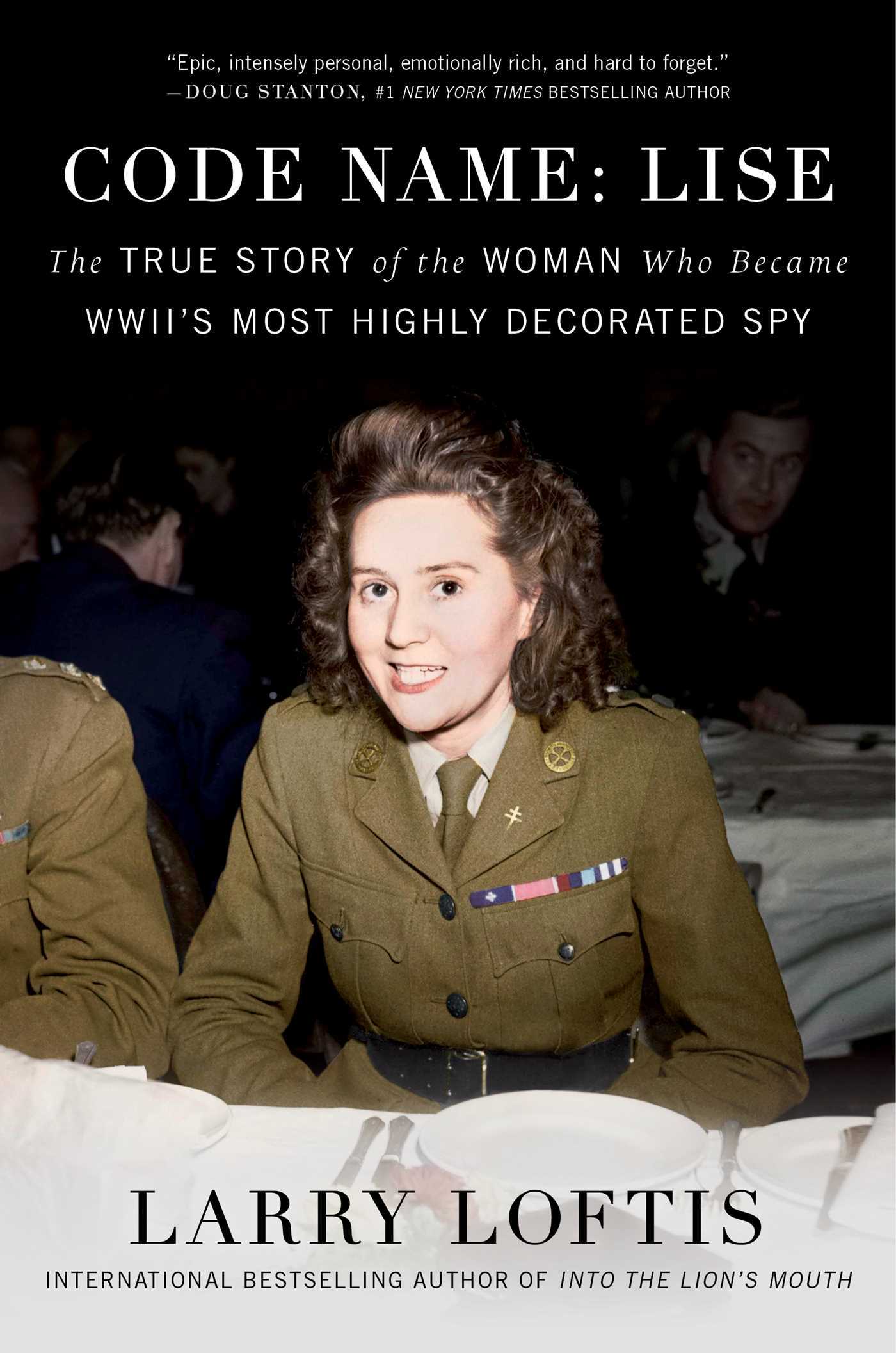
The most popular highlights from Code Name: Lise: The True Story of the Woman Who Became WWII's Most Highly Decorated Spy, saved by readers on Screvi.
“He asked her how she felt about the Germans, and she said, “I hate them. I mean that I hate Nazis. For the Germans, oddly enough, I have pity.” “I thought you might separate Germans and Nazis. It was not the Nazis but the Germans who killed your father.” Odette blinked. Jepson had done his homework. She looked at the captain. “Yes, but they were driven then as they are driven now. I think the Germans are very obedient and very gullible. Their tragedy—and Europe’s—is that they gladly allow themselves to be hoodwinked into believing evil to be good.”
“She was now ready. Diarrhea pills, speed, sleep dope, lethal pill, and beauty aid. Bring on the Germans.”
“Anyone charged with being a threat to public security was now automatically sent to a camp, and, as of 1939, such imprisonment was to last at least for the duration of the war. In addition, protective custody cleared the way for Sonderbehandlung: “special treatment” of prisoners. In other words, execution or extermination through labor.”
“When they first met, Peter had looked beyond Arnaud’s gruff personality to see a man who was highly competent, fearless, and deeply committed to the cause.”
“Created in 1936 to provide forced labor33 for factories, Sachsenhausen would, with its sister camps Dachau and Buchenwald (created in 1933 and 1937, respectively), serve as Heinrich Himmler’s model for concentration camps. Pitching the purpose of camps as “education” institutes,”
“regularly plundered the country for livestock, steel, textiles, corn, coal, and wine to feed and supply the fatherland. In similar fashion, it requisitioned”
“SOE was born and Dalton was tasked to coordinate its development. Churchill gave the organization two directives: (1) to create and foster a spirit of resistance in Nazi-occupied countries, and (2) to establish an underground body of operatives who would perform acts of sabotage and assist in liberation when British forces landed.”
“And Hitler was an equal opportunity killer, without regard to nationality or gender.”
“Though not designated a death camp, Sachsenhausen became one. Through starvation, hard labor, and a myriad of tortures, some forty thousand would die here, including Stalin’s son.”
“losing a tag,”
“Sühren asked if she needed anything and she said no. She was likely to die at any moment anyway and they’d bring the charrette and she’d exit through the chimney. It was belligerent defiance, but she was determined to go down fighting.”
“She was no longer an angry gazelle; more like a determined angel. His angel.”
“the greatness of ease,”
“F Section’s biggest recruiting hurdle was the language; few native-born Britons could speak French without an accent. As a result, anyone born and raised in France who happened to be in England at the time—like Odette—was a jewel not to be missed;”
“So, in case you are wondering, every line of this book is true, and you can check the notes if you wish to review the source material.”
“ODETTE DIED IN 1995 at the age of eighty-two. On February 23, 2012, almost seventy years after she joined the SOE, the Royal Mail released a stamp in her honor as part of its Britons of Distinction series.”
“Lest Odette despair or feel sorry for herself, her grandfather encouraged her not to use blindness or pain as an excuse or handicap, but to be as clever as possible; there were many things she could do, and she should focus on those. Odette heeded the instruction and, as Hemingway put it, became strong in the broken places.”
“the expanse between her thumb and forefinger; it was a sign denoting extravagance, generosity, and impetuosity.”
“SS General”
Find Another Book
Search by title or author to explore highlights from other books.
More Books You Might Like
Explore highlights from similar books.