Key Insights & Memorable Quotes
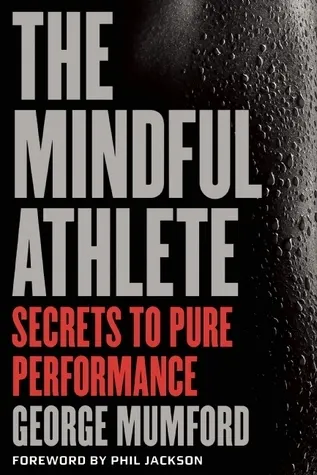
The most popular highlights from The Mindful Athlete: Secrets to Pure Performance, saved by readers on Screvi.
Respond from the center of the hurricane, rather than reacting from the chaos of the storm.
We can either make ourselves miserable,” he says, “or we make ourselves strong. The amount of work is the same.
Success is 99% failure.
Monkey mind is actually a Buddhist term that refers to a mind that is restless, agitated, confused, or that is hard to control.
The hardest thing, after all the work and all the time spent on training and technique, is just being fully present in the moment.
When things get tough and our bodies start to react, we need mindfulness to reset our internal north star. We need to be quiet, listen, and practice conscious breathing to bring ourselves back to the present moment and activate the parasympathetic nervous system, putting the brake on and slowing things down in our bodies.
It’s way easier and more “comfortable” to stew in anger and resentment, for example, than to practice forgiveness. But the former will keep you mired in unwholesome thoughts and feelings, while the latter will open the door to true transformation and make you strong. “Anyone can hold a grudge,” Doe Zantamata wrote, “but it takes a person with character to forgive. When you forgive, you release yourself from a painful burden. Forgiveness doesn’t mean what happened was okay, and it doesn’t mean that person should still be welcome in your life. It just means that you have made peace with the pain, and are ready to let it go.”When we let go of unnecessary emotional baggage, we are, quite simply, freer on every level.
Show me strong; show me smart.
There are always calamities, extreme circumstances can make you stronger. This is what’s called having a strong sense of self-efficacy: the ability to tell yourself that no matter what happens, you will take everything as a challenge. You’ll rise to the occasion and say, “Okay, the going is tough but this is going to be great!
Do one thing every day that scares you.” If there’s no romancing the discomfort zone, there’s no growth.
Between stimulus and response there is a space. In that space is our power to choose our response. In our response lies our growth and our freedom.”15
Mindfulness helps us step back, observe those self-defeating thoughts without judgment, and abandon them. But when we are not in the present moment and we’re listening to that self-critic, here’s what can happen: We can get so keyed up (“No, I’ve got to shoot real quick, because I want to make it”) that our energy is channeled through a narrow, tense spectrum. We rarely get into flow that way. On the contrary, we get in our own way.
Meditation brings wisdom; lack of meditation leaves ignorance. Know well what leads you forward and what holds you back, and choose the path that leads to wisdom. —BUDDHA
Then one day I thought to myself: Okay, what would happen if I brought the same quality of interest, wonder, and investigation that I do with other things to this teabag dilemma to see what’s going on? What if I just say to myself, “Well, how can I do this?
A warrior accepts that we can never know what will happen to us next.
We can either make ourselves miserable, or we make ourselves strong.
My parents did the best they could, all things considered.
His advice, and his support helped me become confident in myself.
Find Another Book
Search by title or author to explore highlights from other books.
More Books You Might Like
Explore highlights from similar books.