Ideias-chave e citações memoráveis
Os highlights mais populares de Principles: Summary, guardados por leitores no Screvi.
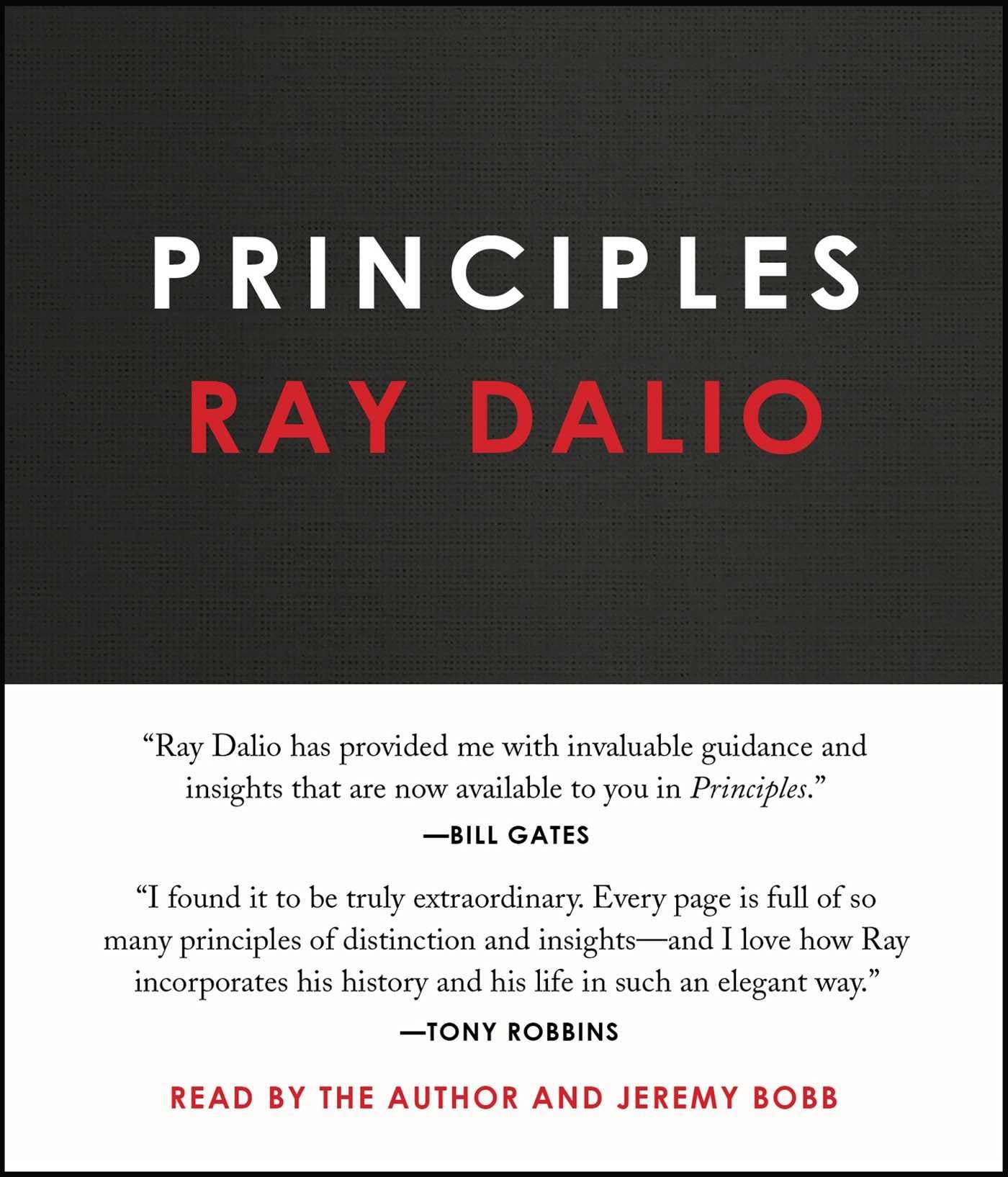
It is far more common for people to allow ego to stand in the way of learning.
Pain + Reflection = Progress
Above all else, I want you to think for yourself, to decide 1) what you want, 2) what is true and 3) what to do about it
Great is better than terrible, and terrible is better than mediocre, because terrible at least gives life flavor.
You don’t achieve happiness by getting rid of your problems – you achieve it by learning from them.
It's tough to be tough on people.
What I wanted was to have an interesting, diverse life filled with lots of learning - and especially meaningful work and meaningful relationships. I feel that I have gotten these in abundance and I am happy.
Losing people I cared so much about and very nearly losing my dream of working for myself was devastating. To make ends meet, I even had to borrow $ 4,000 from my dad until we could sell our second car. I had come to a fork in the road: Should I put on a tie and take a job on Wall Street? That was not the life I wanted. On the other hand, I had a wife and two young children to support. I realized I was facing one of life’s big turning points and my choices would have big implications for me and for my family’s future.
Just before Thanksgiving, I met with Bunker Hunt, then the richest man in the world, at the Petroleum Club in Dallas. Bud Dillard, a Texan friend and client of mine who was big in the oil and cattle businesses, had introduced us a couple of years before, and we regularly talked about the economy and markets, especially inflation. Just a few weeks before our meeting, Iranian militants had stormed the U.S. embassy in Tehran, taking fifty-two Americans hostage. There were long lines to buy gas and extreme market volatility. There was clearly a sense of crisis: The nation was confused, frustrated, and angry. Bunker saw the debt crisis and inflation risks pretty much as I saw them. He’d been wanting to get his wealth out of paper money for the past few years, so he’d been buying commodities, especially silver, which he had started purchasing for about $ 1.29 per ounce, as a hedge against inflation. He kept buying and buying as inflation and the price of silver went up, until he had essentially cornered the silver market. At that point, silver was trading at around $ 10. I told him I thought it might be a good time to get out because the Fed was becoming tight enough to raise short-term interest rates above long-term rates (which was called “inverting the yield curve”). Every time that happened, inflation-hedged assets and the economy went down. But Bunker was in the oil business, and the Middle East oil producers he talked to were still worried about the depreciation of the dollar. They had told him they were also going to buy silver as a hedge against inflation so he held on to it in the expectation that its price would continue to rise. I got out.
Encontrar outro livro
Pesquisa por título ou autor para explorar highlights de outros livros.
Mais livros que podes gostar
Explora highlights de livros semelhantes.