
The Fault in Our Stars
by John Green
Highlights Collection
A collection of popular book highlights, memorable quotes, and key insights from thought-provoking books.
by John Green

by Stephen Chbosky

by J.K. Rowling
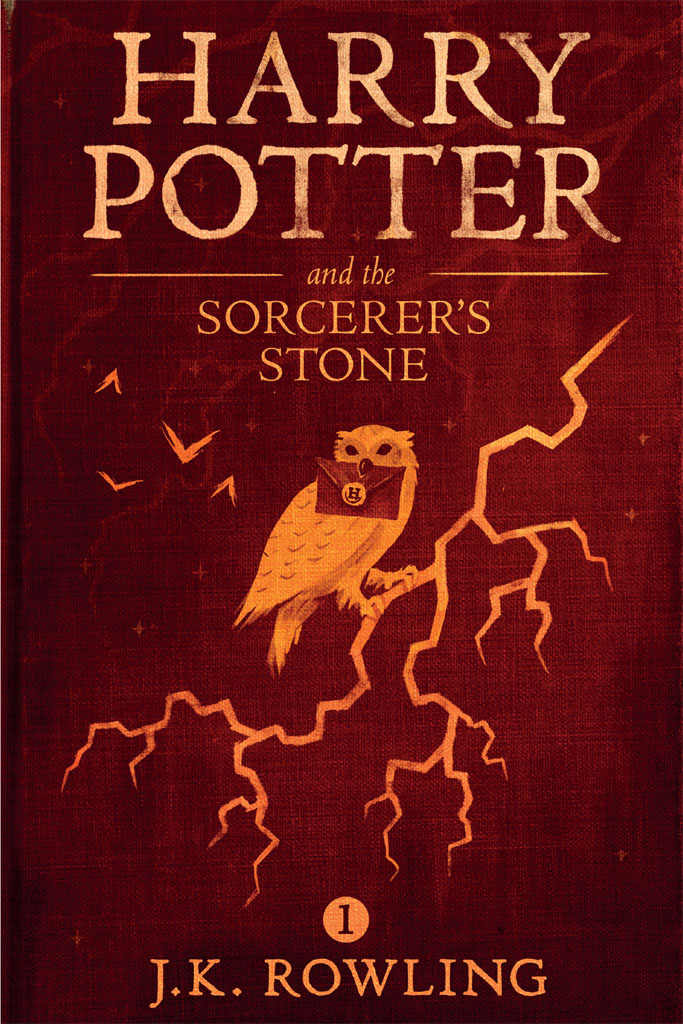
by J.K. Rowling

by J.R.R. Tolkien

by J.K. Rowling

by Cassandra Clare

by John Green

by Suzanne Collins
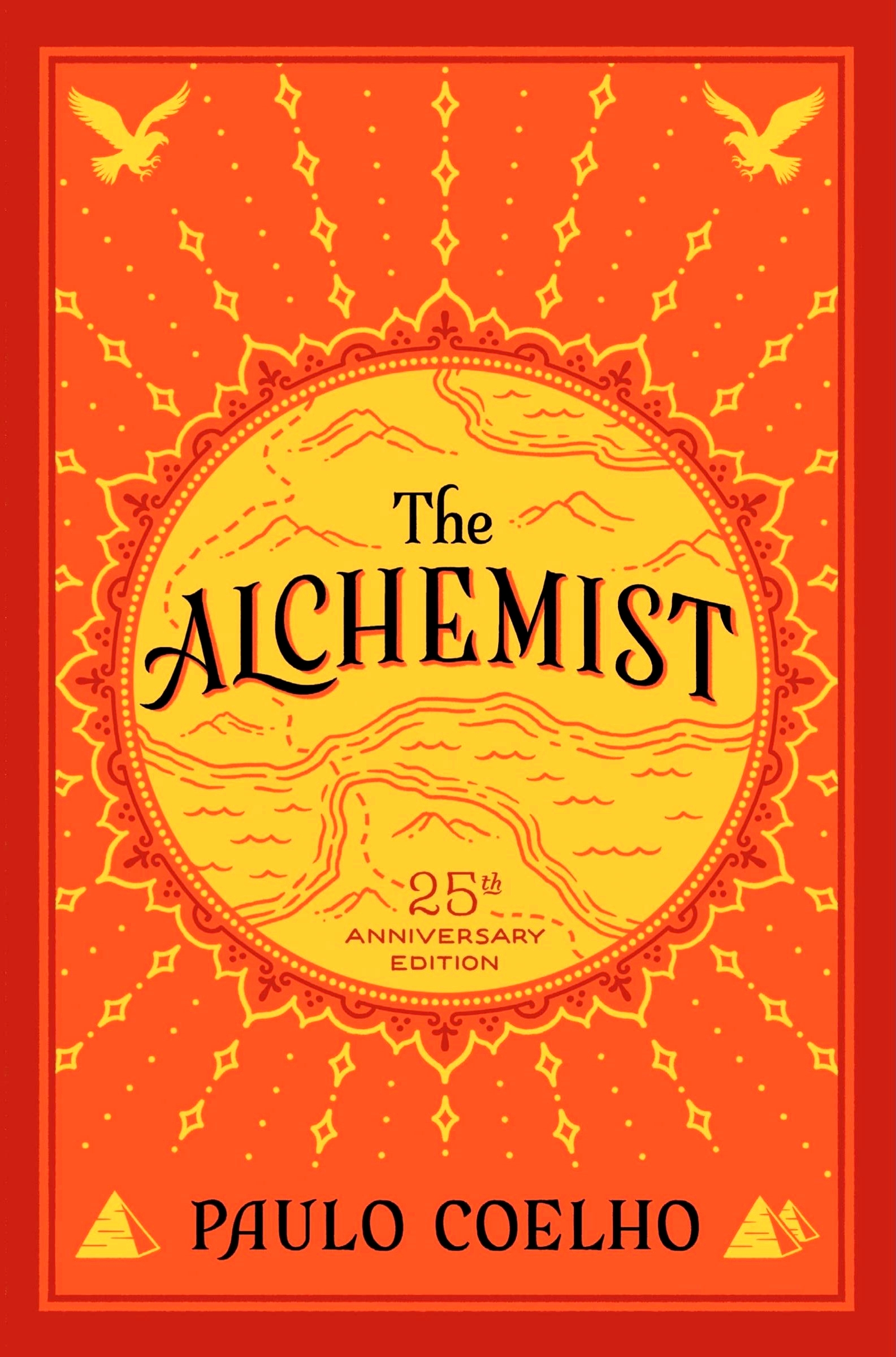
by Paulo Coelho
In "The Alchemist," Paulo Coelho explores profound themes of personal destiny, love, and the pursuit of dreams. Central to the narrative is the idea that when we strive for self-improvement, the world around us transforms positively. The protagonist learns that listening to one's heart is essential, for it is where true treasure lies. Coelho asserts that the universe conspires to fulfill our desires when we genuinely seek them, highlighting the importance of dreams in giving life meaning. The book emphasizes the necessity of love as a catalyst for personal growth, suggesting that through love, we can transcend limitations and achieve greatness. Coelho also discusses the paralyzing nature of fear, particularly the fear of failure, which can render dreams unattainable. He encourages readers to embrace resilience, noting that true strength lies in the ability to rise after each fall. Furthermore, the narrative underscores the significance of living in the present, recognizing the extraordinary within the ordinary. Coelho posits that every individual plays a crucial role in the tapestry of life, often unaware of their impact. Ultimately, "The Alchemist" serves as a spiritual guide, urging readers to pursue their personal legends, listen to their hearts, and appreciate the interconnectedness of all existence.

by J.K. Rowling
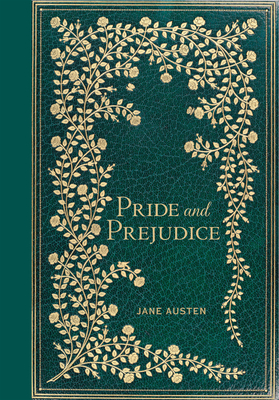
by Jane Austen
In "Pride and Prejudice," Jane Austen explores themes of social class, pride, prejudice, and the complexity of human relationships. The narrative begins with the famous assertion that a wealthy single man is in need of a wife, setting the stage for a critique of societal expectations and the marriage market in early 19th-century England. Elizabeth Bennet, the spirited protagonist, navigates her feelings towards the seemingly proud Mr. Darcy, whose initial arrogance masks deeper insecurities and eventual growth. Austen delves into the nature of pride and vanity, distinguishing between self-respect and the desire for external validation. Characters grapple with their misconceptions and biases, highlighting the importance of personal growth and self-awareness. Elizabeth's evolving relationship with Darcy underscores the transformative power of love and understanding, as both characters confront their flaws—her prejudice and his pride. The author also emphasizes the value of intellect and personal happiness, as seen through characters’ appreciation for literature and genuine companionship. Ultimately, Austen advocates for marrying not merely for convenience or societal approval but for mutual respect and affection, culminating in Elizabeth and Darcy's union as a celebration of personal growth and true connection.
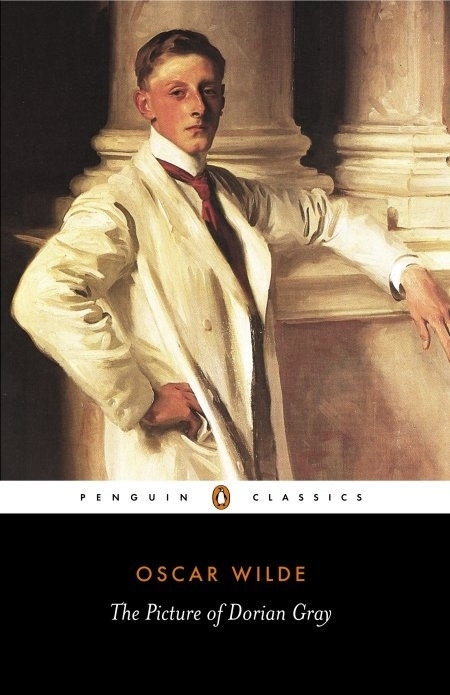
by Oscar Wilde

by Suzanne Collins

by Sylvia Plath

by Markus Zusak

by George R.R. Martin

by F. Scott Fitzgerald
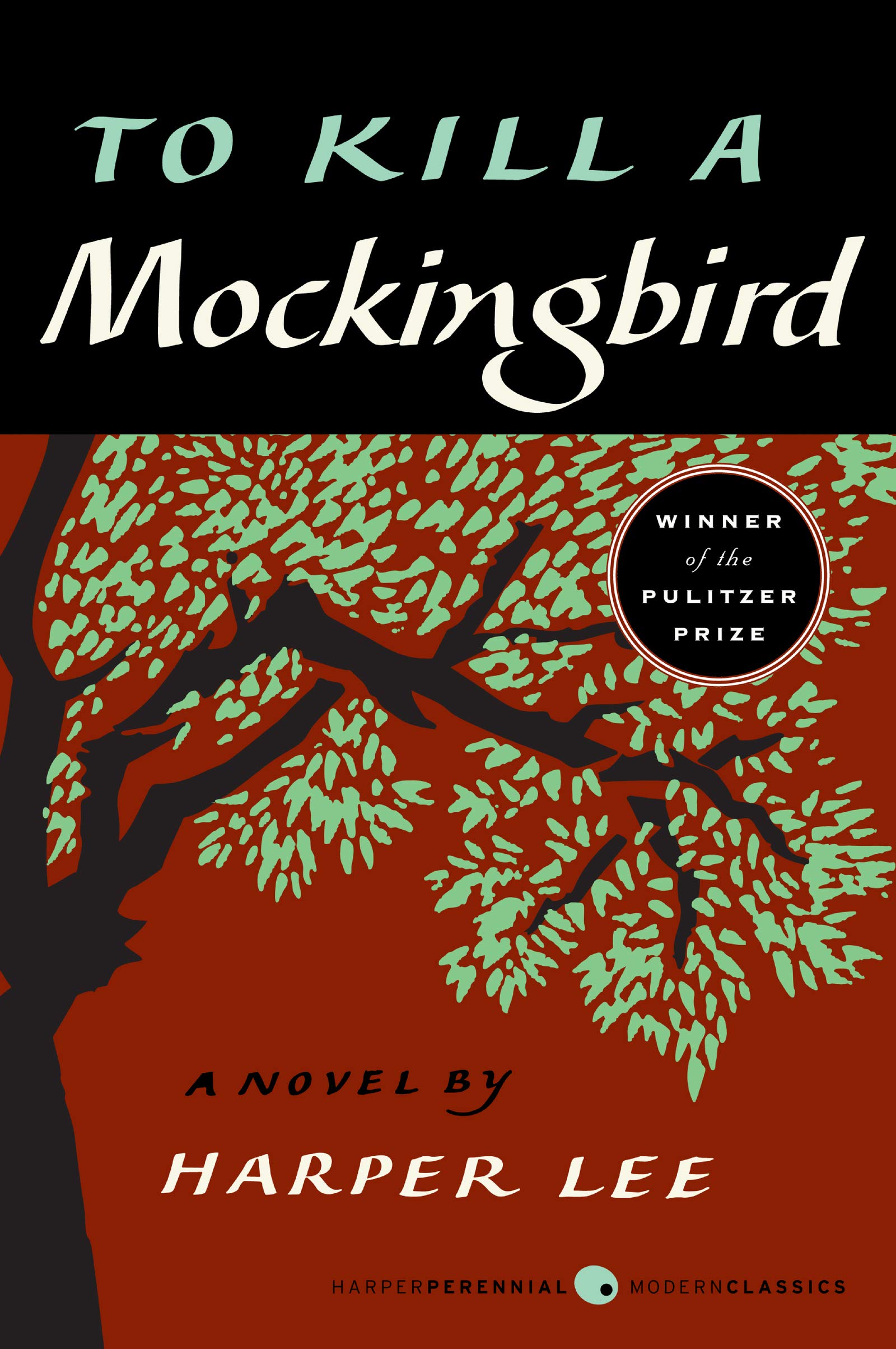
by Harper Lee
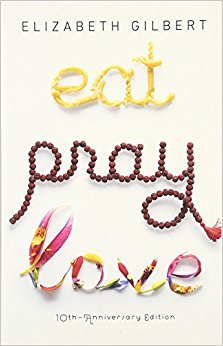
by Elizabeth Gilbert

by Haruki Murakami

by John Green

by Charlotte Brontë

by George Orwell
George Orwell's "1984" explores themes of totalitarianism, manipulation of truth, and the fragility of individual freedom. Central to the narrative is the idea that "who controls the past controls the future," illustrating how authoritarian regimes rewrite history to maintain power. The Party's slogan, "War is peace. Freedom is slavery. Ignorance is strength," encapsulates the use of paradox and propaganda to control thought and behavior, a concept known as doublethink—the ability to hold contradictory beliefs simultaneously. The novel delves deeply into the psychological manipulation of individuals, highlighting that "power is in tearing human minds to pieces and putting them together again in new shapes." Orwell emphasizes the importance of language, suggesting that its corruption can lead to a corruption of thought itself. The phrase "freedom is the freedom to say that two plus two make four" signifies the struggle for objective truth in a world where reality is dictated by the state. At its core, "1984" serves as a cautionary tale about the perils of unchecked power and the loss of personal autonomy. Orwell posits that even in a repressive society, the human spirit's desire for love and truth persists, leading to the idea that sanity is not defined by majority opinion. Through the character of Winston Smith, the narrative underscores the conflict between individual conscience and collective oppression, ultimately questioning the very nature of reality and existence under tyrannical rule.
Browse the most highlighted passages from thousands of popular books. Each book page shows the passages that readers found most meaningful, along with the author, category, and related titles. Use the search bar above to find any book by title or author.
Want to save these highlights alongside your own? Screvi lets you import highlights from Kindle, Apple Books, Kobo, and other reading apps into a single library. Review them with daily flashcards, search across all your books with AI, and never lose a great passage again.