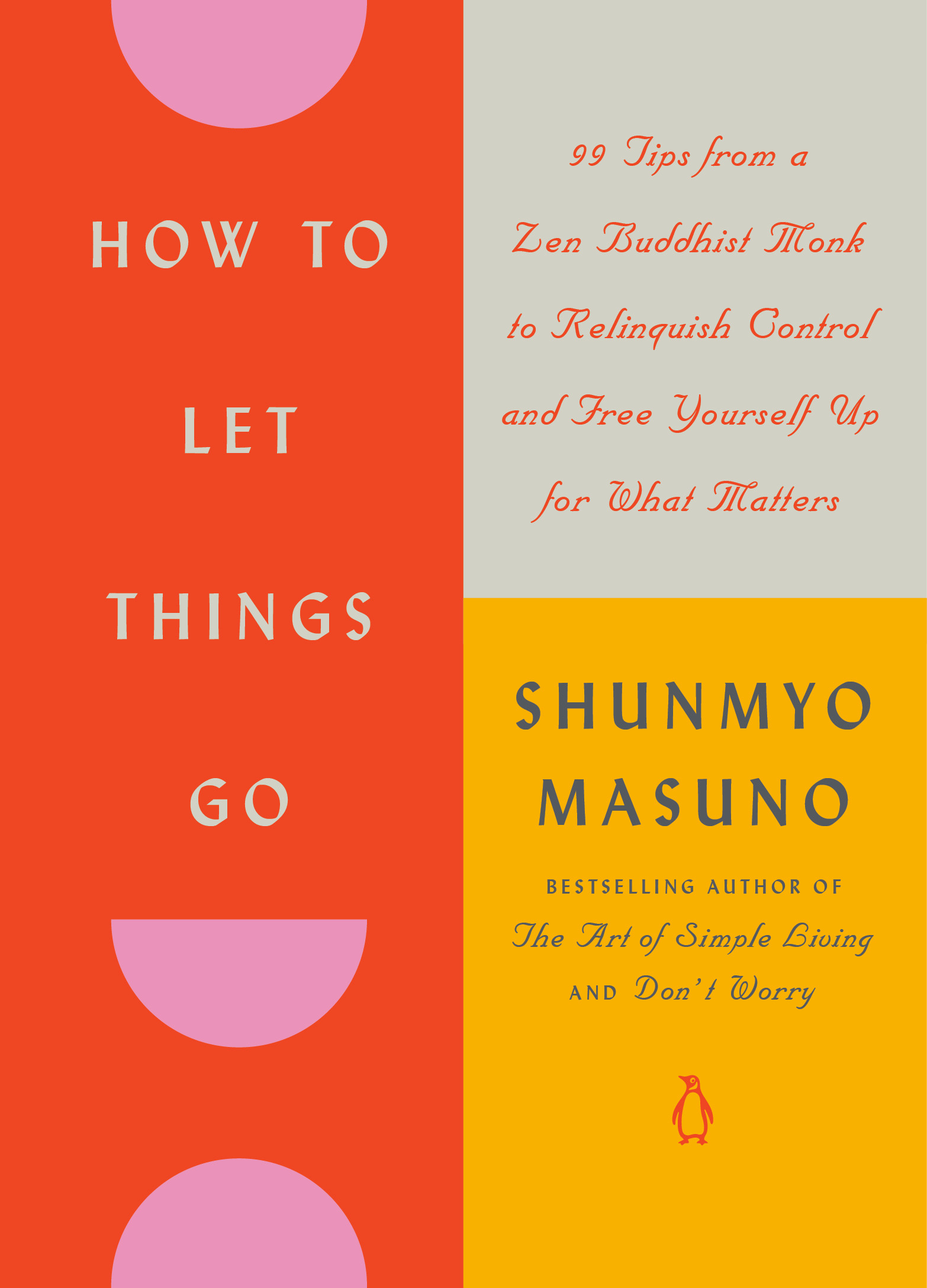
Key Insights & Memorable Quotes
The most popular highlights from How to Let Things Go: 99 Tips from a Zen Buddhist Monk to Relinquish Control and Free Yourself Up for What Matters, saved by readers on Screvi.
“What you make out of your choices is more important than the choices themselves”
“Nothing remains the same, the world is always changing, everything eventually comes to an end”
“It’s useless to fret about the future when you can’t know what will happen. All we can do is try our best to deal with problems when they actually occur.”
“Since ancient times, Japanese people have regarded a quiet life alone, surrounded by the abundance of nature, as the height of luxury.At the root of anxiety is the desire to know something that you are never going to know, no matter how much you think about it. A classic example is vague anxiety about the future.The ability to forget is an instinct for self-preservation. If we remembered every last unpleasant detail from our day-to-day lives, it would crush our spirits.Even monks get angry, but we have to know how to pause and not give in to our temper.”
“I recommend that you occasionally close your eyes and cover your ears to block out information.”
“On any uphill path, there comes a point when you know “here is where the ascent ends.”
“Unsolicited comments—whether you’re the one making or receiving them—create stress.”
“Fear of isolation motivates most of our personal relationships.”
Find Another Book
Search by title or author to explore highlights from other books.
More Books You Might Like
Explore highlights from similar books.