Key Insights & Memorable Quotes
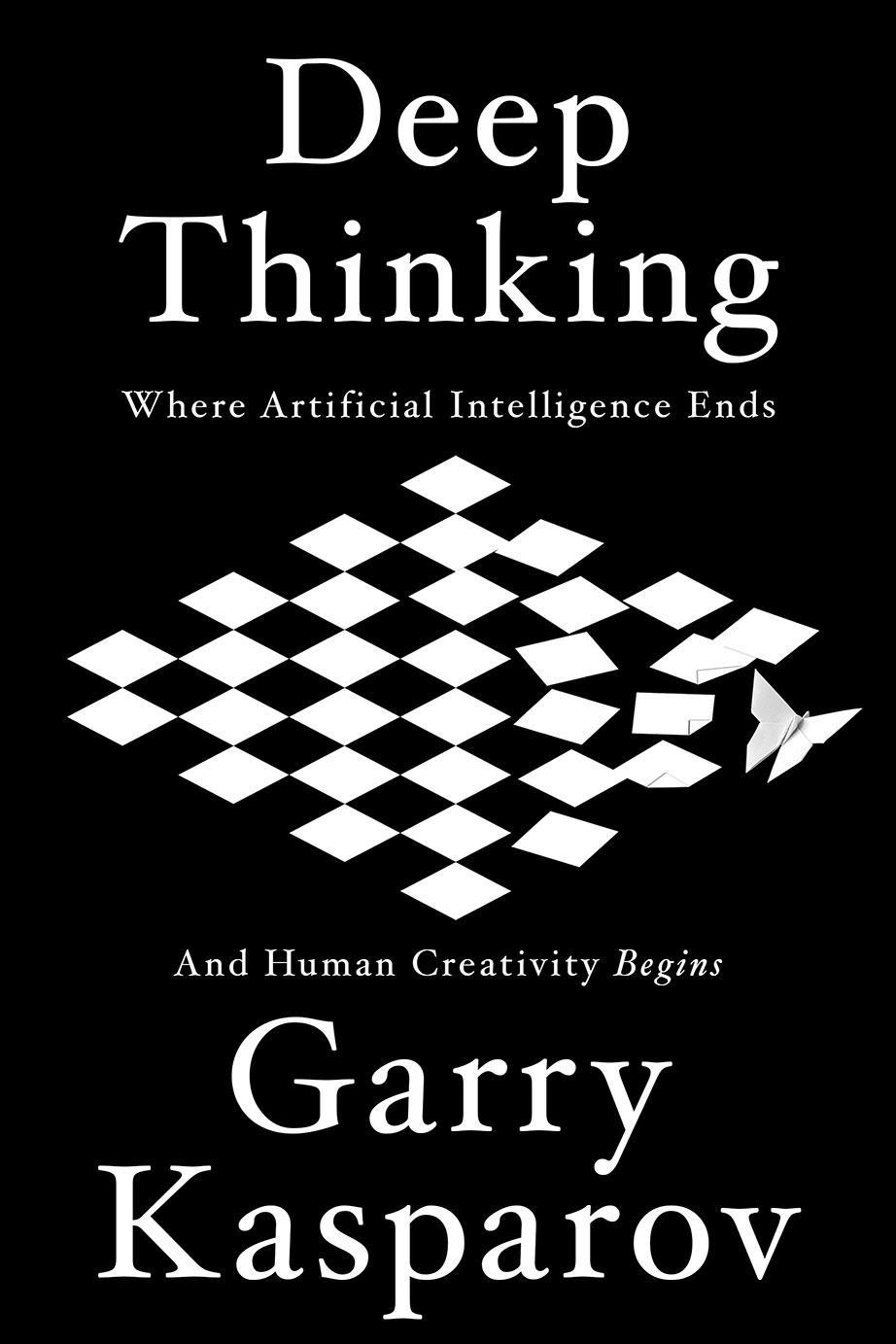
The most popular highlights from Deep Thinking: Where Machine Intelligence Ends and Human Creativity Begins, saved by readers on Screvi.
“To become good at anything you have to know how to apply basic principles. To become great at it, you have to know when to violate those principles.”
“Focusing on your strengths is required for peak performance, but improving your weaknesses has the potential for the greatest gains. This is true for athletes, executives, and entire companies. Leaving your comfort zone involves risk, however, and when you are already doing well the temptation to stick with the status quo can be overwhelming, leading to stagnation.”
“The phrase "it's better to be lucky than good" must be one of the most ridiculous homilies ever uttered. In nearly any competitive endeavor, you have to be damned good before luck can be of any use to you at all.”
“But the worries about operatorless elevators were quite similar to the concerns we hear today about driverless cars.”
“Believe nothing you hear, and only one half that you see.”
“The human mind isn’t a computer; it cannot progress in an orderly fashion down a list of candidate moves and rank them by a score down to the hundredth of a pawn the way a chess machine does. Even the most disciplined human mind wanders in the heat of competition. This is both a weakness and a strength of human cognition. Sometimes these undisciplined wanderings only weaken your analysis. Other times they lead to inspiration, to beautiful or paradoxical moves that were not on your initial list of candidates.”
“The machines have finally come for the white collared, the college graduates, the decision makers. And it’s about time. J”
“If you program a machine, you know what it’s capable of. If the machine is programming itself, who knows what it might do? The”
“I’m a firm a believer in the power of free enterprise to move the world forward. All that Soviet respect for science was no match for the American innovation machine once unleashed. The problem comes when the government is inhibiting innovation with overregulation and short-sighted policy. Trade wars and restrictive immigration regulations will limit America’s ability to attract the best and brightest minds, minds needed for this and every forthcoming Sputnik moment.”
“Good riddance, you might imagine. But the worries about operator-less elevators were quite similar to the concerns we hear today about driverless cars. In fact, I learned something surprising when I was invited to speak to the Otis Elevator Company in Connecticut in 2006. The technology for automatic elevators had existed since 1900, but people were too uncomfortable to ride in one without an operator. It took the 1945 strike and a huge industry PR push to change people’s minds,”
“Why settle for thinking like a human if you can be a god.”
“As one Google Translate engineer put it, "when you go from 10,000 training examples to 10 billion training examples, it all starts to work. Data trumps everything.”
“Deep Blue was intelligent the way your programmable alarm clock is intelligent. Not that losing to a $10 million alarm clock made me feel any better.”
“To become good at anything you have to know how to apply basic principles. To become great at it, you have to know when to violate those principles. This isn’t only a theory; it’s also the story of my own battles against chess machines over two decades.”
“Many things we call innovations are little more than the skillful accumulation of many little optimizations.”
“Our attitude matters, and not because we can stop the march of technological progress even if we wanted to, but because our perspective on disruption affects how well prepared for it we will be.”
“When you consider that only an estimated 15 percent of the US population plays chess, its cultural prominence is extraordinary. It”
“Tablebases [logs of complete chess games played backwards from the end-state of checkmate] are the clearest case of human chess vs. alien chess. A decade of trying to teach computers how to play endgames was rendered obsolete in an instant thanks to a new tool. This is a pattern we see over and over again in everything related to intelligent machines. It's wonderful if we can teach machines to think like we do, but why settle for thinking like a human if you can be a god?(jm3: Frustratingly for the humans, it was not disclosed whether IBM's Deep Blue stored and consulted endgame tablebases during competition).”
“it’s fair to say that we have advanced further in duplicating human thought than human movement. In”
Find Another Book
Search by title or author to explore highlights from other books.
More Books You Might Like
Explore highlights from similar books.


