Key Insights & Memorable Quotes
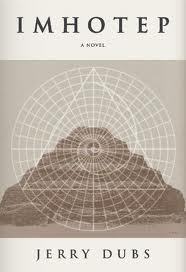
The most popular highlights from Imhotep, saved by readers on Screvi.
“Each of us thinks we are the most important person, because we are inside ourselves. Does this make sense? We see the world from our eyes and hear it with our ears. I look past the branches and leaves of the trees to the sky and I see the colors I call brown and green and blue. But think, Brian, are they the same colors that you see? We may call them by the same name, but they may look different to you. “The taste of an onion, the song of a bird, the strum of the harp, the grit of sand. I know what they feel like and taste like and sound like to me. But I can not know what they are to you. So how can I truly know your thoughts or feel your fears? “I can listen to you and comfort you, but only you can overcome your fears, only you can bring yourself into balance with ma’at.”
“All he asks in return is for us to live, fully alive and aware. He brings light and life to all. We can surely take his energy and use it to live. It should be so simple.”
“People were so consumed by their fears and ambitions, their desires. They were so busy planning and plotting their lives that they failed to live them. ”
“They didn’t slice time into a series of individual moments and then stitch them back together with anxious anticipation. They didn’t keep appointment books to make themselves accountable for each minute. There was neither tick nor tock.”
“When the words come from within, when you are freeing an idea, then the words are powerful. They give life to the thought. They can ignite a fire in another person’s mind. ”
“The accident of our birth can control our life if we let it; we spend our life struggling against the invisible bonds of prejudice and ignorance and custom and habit. But all we have to do is recognize them and they drop away. Now”
“Words,” she said, shaking her head. “They are powerful, Brian. They bring our thoughts to life, but sometimes they keep us from what is real.”
“I was afraid, Prince Teti. All of my life I was afraid,” Tim said. He thought of the needless worries from his past – finding the right clothes for a party, auditioning for school plays, anxiously showing his first drawings to a friend, being late for an appointment, getting into the right school, mispronouncing a word when ordering at a restaurant – all of these fears that had seemed so real and large at the time. Now he saw that they had been meaningless. The energy he had wasted, the hesitation he had felt, all so unnecessary.”
“There was so much to do and see in his world – amusement parks, zoos, baseball and football games, television and movies, restaurants, plays, concerts, NASCAR races – that he had once found fulfilling, but now he viewed it all as a distraction”
“squeeze”
“Each of us thinks we are the most important person, because we are inside ourselves. Does this make sense? We see the world from our eyes and hear it with our ears. I look past the branches and leaves of the trees to the sky and I see the colors I call brown and green and blue. But think, Brian, are they the same colors that you see? We may call them by the same name, but they may look different to you.”
“people are willing to follow a leader, even if they do not love the leader. They want the order a leader brings. ”
“we spend our life struggling against the invisible bonds of prejudice and ignorance and custom and habit. But all we have to do is recognize them and they drop away.”
“sons of dung beetles,”
“Are people less violent here in the past, or are there simply fewer irritations and less need to vent tension and frustration?”
“We’re all going to die, everyone knows that, but back in our time we keep ourselves so busy, so occupied with cell phones and texting, television shows, movies, parties, bars, nightclubs, fancy restaurants, sixty-hour-a-week jobs, shopping, buying clothes and furniture and jewelry, working to save up for a car, a house, a second house, a beach house. Here people have time to live, really live. I’ve done more, I mean drawing, making friends, doing things that really matter, than I did my entire life before.”
“Events defined time, they were not ordered by it.”
“The people need more than a man as leader. Why does a man follow another man? Fear, rewards, love? Can fear not be overcome, cannot greater rewards be offered, cannot even love change to hate? Only to a god are we steadfast. You to Re, Waja-Hur to Thoth. Your devotion does not waver.”
“They didn’t slice time into a series of individual moments and then stitch them back together with anxious anticipation. They didn’t keep appointment books to make themselves accountable for each minute. There was neither tick nor tock. For them, time was the seamless background of a comfortably familiar setting.”
“He wondered if being removed from the distractions of life would help her look within herself, if the idleness here would force her to confront the emptiness of her life.”
Find Another Book
Search by title or author to explore highlights from other books.
More Books You Might Like
Explore highlights from similar books.