
Key Insights & Memorable Quotes
The most popular highlights from The First Minute: How to Start Conversations That Get Results, saved by readers on Screvi.
This can turn a simple update into a rambling, long-winded story.
Not only is a structured summary succinct, the technique also focuses the conversation on the next steps.
Example #2 Context: I read the report you sent me. Intent: Can you explain something? Key message: I want to understand the change in timeline.
This often trips people up because they expect this to be more complex.
This section shows how to put all three components together into succinct framing statements that will help you start your work conversations quickly and clearly.
Context: This is the topic you want to talk about. Of all the topics in the world, this is the one you will talk about now. Intent: What you want the audience to do with the information you are about to share. Key message: The most important part of the overall message you are about to deliver (the headline).
Tip: If you find yourself in this situation, and more than a minute has elapsed without the purpose of the conversation being clear, ask the speaker to clarify his or her intentions. This will help you both get the most out of the conversation.
This is presumptuous because you may have misinterpreted their intentions, which would have been clearer had they got to the end of their long description.
Did the eventual revelation of what was needed change the way you reacted to the information?
Anyone familiar with communication in the United States military will have come across the term BLUF. This acronym stands for “Bottom Line Up Front.”7 This is the practice of putting the conclusion and recommendation at the beginning of the message rather than at the end. This facilitates rapid decision making and helps people deliver a message in fewer words. Putting the bottom line up front is a great way to define the key message. It’s the one thing your audience needs to know or cares the most about.
Find Another Book
Search by title or author to explore highlights from other books.
More Books You Might Like
Explore highlights from similar books.
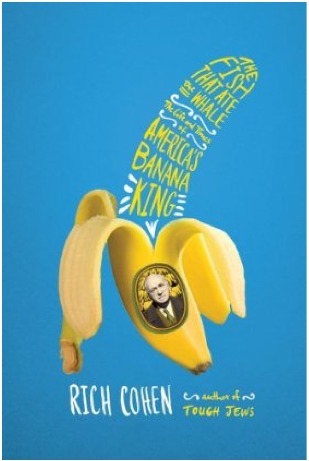
The Fish That Ate the Whale: The Life and Times of America's Banana King
by Rich Cohen

The Five Dysfunctions of a Team
by Patrick Lencioni

The Food of a Younger Land: A Portrait of American Food—Before the National Highway System, Before Chain Restaurants, and Before Frozen Food, When the Nation's Food Was Seasonal
by Mark Kurlansky